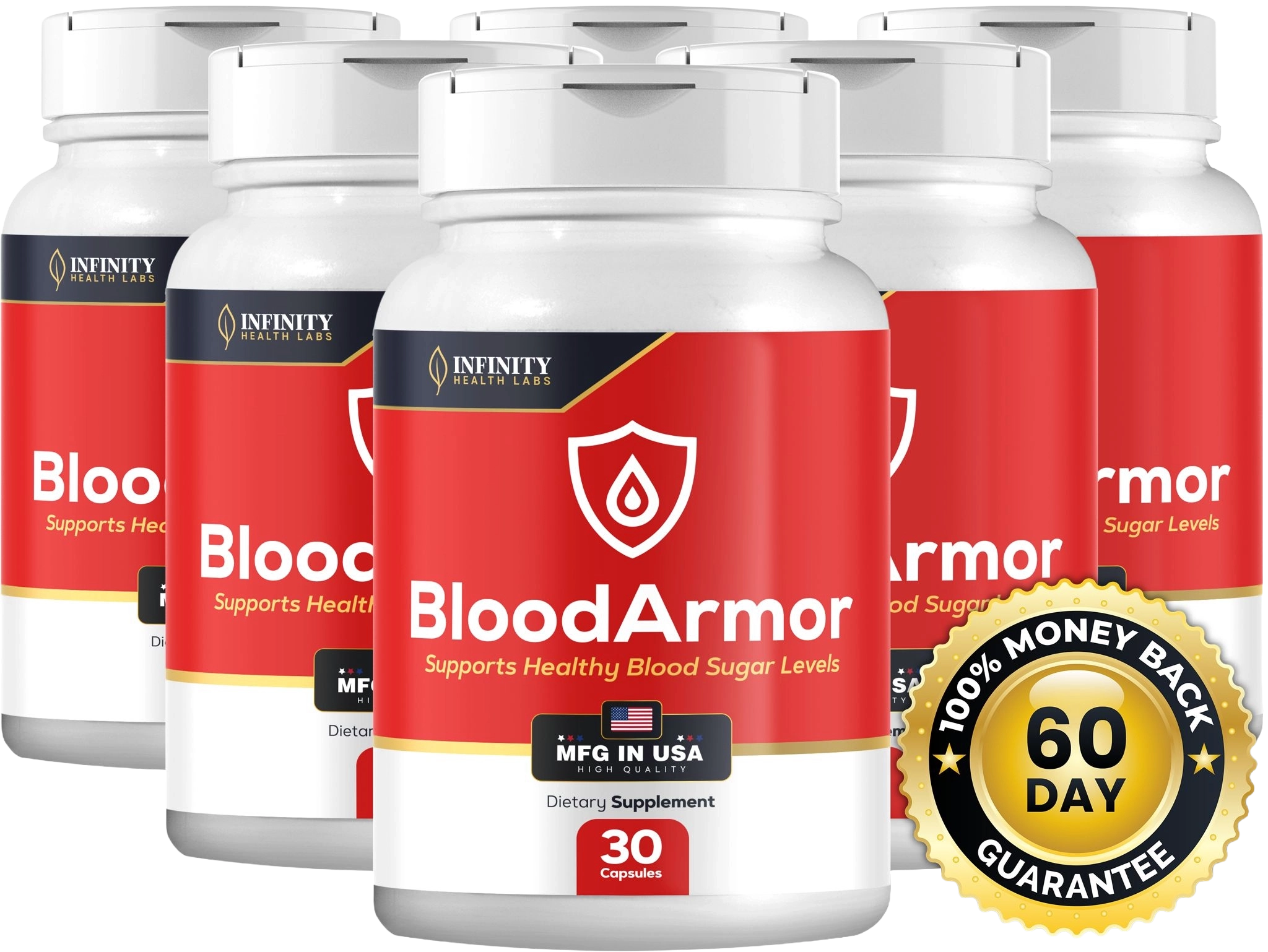
How BloodArmor Works
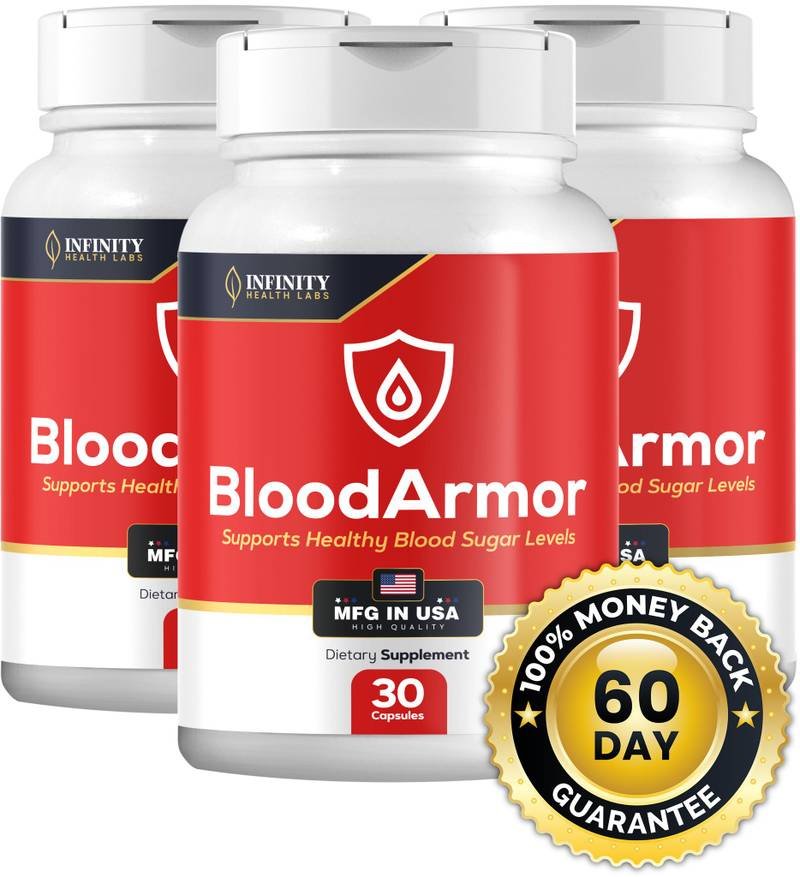
BloodArmor is presented as a dietary supplement containing botanical ingredients and chromium. Understanding the listed ingredients, checking the product label, and following appropriate safety guidance are important steps when evaluating any supplement.
Step 1: Review the Product Label
Start by checking the current BloodArmor packaging or official retailer listing. Review the serving size, directions, complete ingredient list, amounts per serving, warnings, and manufacturer information.
The ingredient information supplied for this page lists berberine HCL, gymnema sylvestre, cinnamon bark, bitter melon, chromium picolinate, and banaba leaf extract. Confirm these details against the current product label before relying on them.
Step 2: Understand the Botanical Ingredients
Several listed ingredients have been studied for possible relationships with metabolic processes. However, research on individual ingredients does not establish that the finished BloodArmor product delivers a particular result.
The type of ingredient, amount used, formulation, quality, and available human research all matter when evaluating evidence.
Step 3: Understand Berberine HCL
Berberine is a plant-derived compound that researchers have investigated for several potential biological effects, including effects related to metabolic health. Findings vary, and evidence about berberine itself should not be treated as proof of BloodArmor's effectiveness.
Berberine may interact with medicines and may not be suitable for everyone. Consult a qualified healthcare professional before using a supplement containing it.
Step 4: Learn About the Other Listed Ingredients
BloodArmor's supplied ingredient information also lists gymnema sylvestre, cinnamon bark, bitter melon, and banaba leaf extract. These botanicals have different histories of use and research backgrounds.
Some have been investigated in relation to glucose metabolism, but the available evidence does not guarantee that this finished product will control blood glucose or treat a health condition.
Step 5: Check the Chromium Amount
The ingredient information provided for this page lists chromium picolinate at 100 micrograms (100 µg). Confirm the amount on the current Supplement Facts panel before using this information to make a purchasing or health decision.
Chromium is an essential trace mineral involved in normal nutrient metabolism. Supplementation is not a substitute for prescribed treatment or professional medical care.
Step 6: Follow the Confirmed Serving Directions
Use BloodArmor only according to the directions on the current product label. The appropriate serving size and frequency should not be guessed from general marketing descriptions or from the directions for a different product.
Do not exceed the labeled serving. Check for overlapping ingredients if you use other supplements, and ask a healthcare professional about potential interactions with your medications.
Step 7: Consider Safety and Individual Differences
People may respond differently to supplements. Health conditions, medications, dietary habits, and other individual factors can affect suitability and potential risks.
If you have diabetes, take medication that affects blood glucose, or have another medical condition, speak with a qualified healthcare professional before using BloodArmor. Do not stop or adjust prescribed medication based on supplement information.
An Important Note About Evidence
This page provides general ingredient information, not proof of a specific mechanism or clinical outcome for BloodArmor. We do not claim that the product guarantees a change in blood glucose, treats diabetes, or replaces medical care.
For additional ingredient information, see our BloodArmor benefits overview and read the full disclaimer.